
Cash or Crash Live is now a mainstay in the UK digital casino world, a live game that blends strategy and real-time tension. For users who appreciate that blend, there is one element you must know thoroughly: the Play Duration Gauge. Don’t view it as a simple clock. It’s the central nerve of the game’s risk-reward mechanism. This on-screen timer dictates each tactical decision you take. Understanding it is what separates onlookers from experienced gamblers who can reliably increase winnings and handle the game’s notorious crashes. We’re going to strip this feature down to its basics and then build it back up. You will discover its essential purpose, how to read it, and some psychological tactics that can boost your performance. The goal is to leave you with a strong, practical grasp of this dynamic feature, transforming how you play and increasing the excitement of each session.
The way Cash or Crash Live Compares to Different Game Shows
The thing that sets the Time Played Indicator in Cash or Crash Live separate from alternative UK live casino game shows? In games like Monopoly Live or Dream Catcher, win mechanics rely on wheel spins or dice rolls. These are individual events with instant outcomes. The tension is completely in the spin itself. Cash or Crash Live brings in a continuous, creeping tension. The Time Played Indicator generates a unique, slow-burn drama that plays out second by second. It’s not as much about a individual moment of chance and rather about prolonged nerve and tactical decision-making under increasing pressure. This continuous engagement distinguishes it. You carry out dynamic choices throughout the entire round. You are not merely a spectator hoping for a result. You act as the pilot tracking the climbing altitude, determining the perfect moment to eject. This engaged participation, steered by the indicator, is a major part of its compelling appeal. As opposed to the two-way win/lose of a card draw or a wheel stop, Cash or Crash Live presents a range of outcomes directly influenced by your involvement with time. That makes it a distinctly cerebral and thrilling part of the UK live casino lineup.
Ethical Gaming and the Session Duration Display
Encouraging enjoyable, honest, and safe gaming is a key concern, especially for UK users. The Session Timer is more than a tactical aid. It can also be a responsible gaming aid. Its vivid representation of rising danger acts as a automatic prompt of your bet’s increasing volatility. We urge all users to use it as part of a responsible play structure. Here’s how:
- Set Time & Loss Limits: Choose your session duration and loss limit before you commence. The indicator can assist you regulate your play and recognize when to quit.
- Employ It to Define Winning Targets: Select a practical multiplier and indicator point for collecting winnings, then stick to it. Steer clear of being greedy and perpetually running after the clock into the red zone.
- Step Away: The ongoing pressure of watching the indicator increase is powerful. Step away after a significant payout or a annoying failure to clear your head.
Ways to Read the Indicator Like a Pro
Interpreting the Time Played Indicator properly is the foundation of tactical play. This is usually a horizontal indicator that loads from left to right, commonly with a color gradient that can transition from green to red. Some editions contain numerical timers or percent markers. The trick is to never look at it alone. A skilled player constantly checks the indicator against two additional data points: the live cash multiplier and their own predetermined plan. For illustration, a multiplier of 5x with the indicator merely one-quarter full is a wholly different case from a multiplier of 5x with the indicator 75% full. In the first scenario, the game round is early and the risk of crashing is still low for that reward tier. In the second case, that same payout is under significant threat. Get comfortable with this relationship by watching a few practice rounds. Concentrate on how the indicator moves compared to where typical crash points are. To build real mastery, internalise these three visual stages:
- The Green Area (0-30%): This is the gathering phase. The indicator rises steadily, multipliers stay low (like 1x-3x), and chance of a crash is minimal. This is usually safe to keep your bet active here.
- The Amber Zone (30-70%): The pressure starts here. Multipliers become enticing (4x to 15x), and risk increases noticeably. This is the key decision-making period for most strategic cash-outs.
- The High-Risk Zone (70-100%): This is high-stakes territory. Multipliers can climb past 16x, but a crash is statistically likely. Playing here is a high-risk gamble. It’s thrilling but dangerous.
Pro Methods for Seasoned Players
Want to take it further? For players who are familiar with the basics, the Time Played Indicator allows for more complex tactics. One advanced method entails statistical monitoring over many rounds. While each round is random, observing where crashes tend to happen in relation to the indicator over a long session can give you a impression for the game’s rhythm. Never misinterpret this feel for a prediction. Another tactic is dynamic bet sizing used with the indicator. You might place a larger base bet with the plan to cash out early at a low indicator and multiplier for a solid, quick win. On the other hand, you could use a smaller speculative bet with the intention of riding the indicator deep into the high-risk zone. This limits potential loss while exposing you to huge upside. The most crucial advanced tactic is mental discipline. Use the indicator to stick to your pre-set strategy despite the adrenaline. Consider a “reverse indicator” strategy for recovery after a loss: lower your bet and target a cash-out in the early green zone. This steadily rebuilds confidence and bankroll, using the indicator as a strict governor to prevent emotional overreach.
What Precisely is the Time Played Indicator?
The Time Played Indicator in Cash or Crash Live is a progress bar on your screen that measures the length of the current round. Think of it as a visual gauge for the building tension. It resets to zero when a new balloon begins its climb. As the balloon ascends and the cash prize multiplier grows with each second, the bar steadily progresses. You’ll see it displayed prominently, sitting alongside the live presenter, the rising balloon, and the current multiplier. For players in the UK, this indicator is the essential tool for measuring risk. The more the bar fills, the more time has elapsed, and the higher the statistical chance of a crash becomes. It turns an abstract feeling of risk into something concrete you can quantify. This lets you make decisions based on more than just a gut instinct. The game uses it to show you the pressure mounting in real time, making every moment a potential decision point. Its design is straightforward but contains real strategic depth. It acts as your dashboard for the volatile journey of each round, a feature UK live casino fans have come to rely on for its clear blend of simplicity and necessity.
Typical UK Player Mistakes to Avoid
Experienced players may slip if they misread or overlook the Time Played Indicator. A significant mistake is “chasing the clock.” This occurs when a player observes a round achieve a 40x multiplier and then assumes the next round will follow suit, hesitating to cash out early. That’s the gambler’s fallacy. Each round is separate, and the indicator resets every time. Another common error is cashing out too early, regularly, out of fear. If you continually bail at a 2x multiplier the instant the indicator moves, you’ll miss the game’s profit potential. Your small wins might not cover your losses over time. A key pitfall is playing without goals. Starting a session without a clear objective for what indicator level or multiplier you’re targeting triggers rash, emotion-driven decisions. The clock is a instrument for discipline, not a catalyst for panic or greed. A similar mistake is ignoring the indicator entirely and focusing only on the multiplier. This disconnects you from the fundamental risk mechanism. Always remember: a high multiplier with a nearly full indicator is a ticking time bomb, not a guaranteed prize.
Developing Your Mental Approach for Optimal Enjoyment
The final, and possibly most essential, factor in using the Time Played Indicator is your mindset. Treat play at cash or crash live as a exciting form of entertainment first. Consider the indicator as the orchestrator of that thrill, not an rival you have to beat. Welcome the swings. The initial crashes and the glorious rides to high multipliers are all portion of the show. A positive mindset accepts the randomness. No degree of staring at the indicator will let you anticipate the exact crash moment. Your strategy should concentrate on controlling your bankroll and emotions, not on “beating the system.” Applaud the smart cash-outs you timed well with the indicator. Learn from the times you wavered or jumped too soon. When you combine a cool head with a astute understanding of that ticking clock, you unlock the true, thrilling experience of Cash or Crash Live. To develop this champion’s mindset, try these psychological drills:
- Engage in Detached Observation: Dedicate a session just watching the indicator and multiplier without placing bets. Record your emotional impulses without acting on them.
- Rehearse Strategies: Utilize play-money modes to try different cash-out points relative to the indicator. This eliminates financial pressure from the learning process.
- Post-Session Review: Quickly note down key decisions where the indicator directed you well or where you ignored it. This fosters strategic discipline for next time.
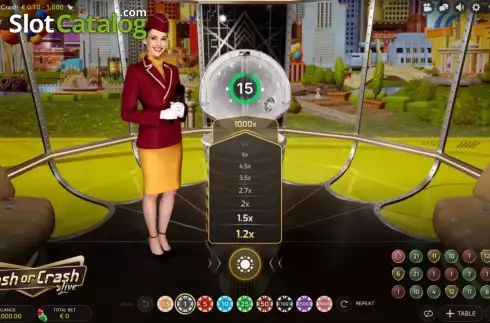
The Time Played Indicator is the game-plan core and the main source of drama in Cash or Crash Live. For UK players, understanding its relationship with crash probability and the rising multiplier is what transforms gameplay from random guessing to informed decision-making. By figuring out to read it accurately, applying smart cashing-out strategies, steering clear of common pitfalls, and always combining it with responsible gaming principles, you can seriously boost your enjoyment and potential success. Have a deep breath, set your eyes on the clock, and get ready to experience the unique thrill of deciding exactly when to cash or when to ride the wave. Good luck, and play smart.
Strategic Cashing Out: Timing is Everything
This is where your understanding gets tested, and your hands might get clammy. Your main key choice in Cash or Crash Live is when to hit the cash-out button. The Time Played Indicator is your chief advisor for that decision. A cautious strategy could mean cashing out the second the indicator hits a particular point, like 50%, guaranteeing consistent but more frequent wins. A more daring approach involves pushing the indicator much longer, chasing those 10x, 20x, or higher multipliers, while understanding the crash could happen any second. There is no one “correct” moment, as the crash is always random. The indicator helps you manage your personal risk profile instead. Many experienced UK players use a tiered approach. They cash out portions of their bet at different indicator points. This secures some profit early while letting a smaller portion ride the higher-risk wave. For example, you could cash out 50% of your stake at a 5x multiplier in the amber zone, and let the other 50% aim for 10x or more. This hybrid method, informed by the visual cue of the indicator, preserves your bankroll while holding you in the game for the exhilarating high-multiplier moments that define Cash or Crash Live.
The Essential Link Linking Time and the Crash
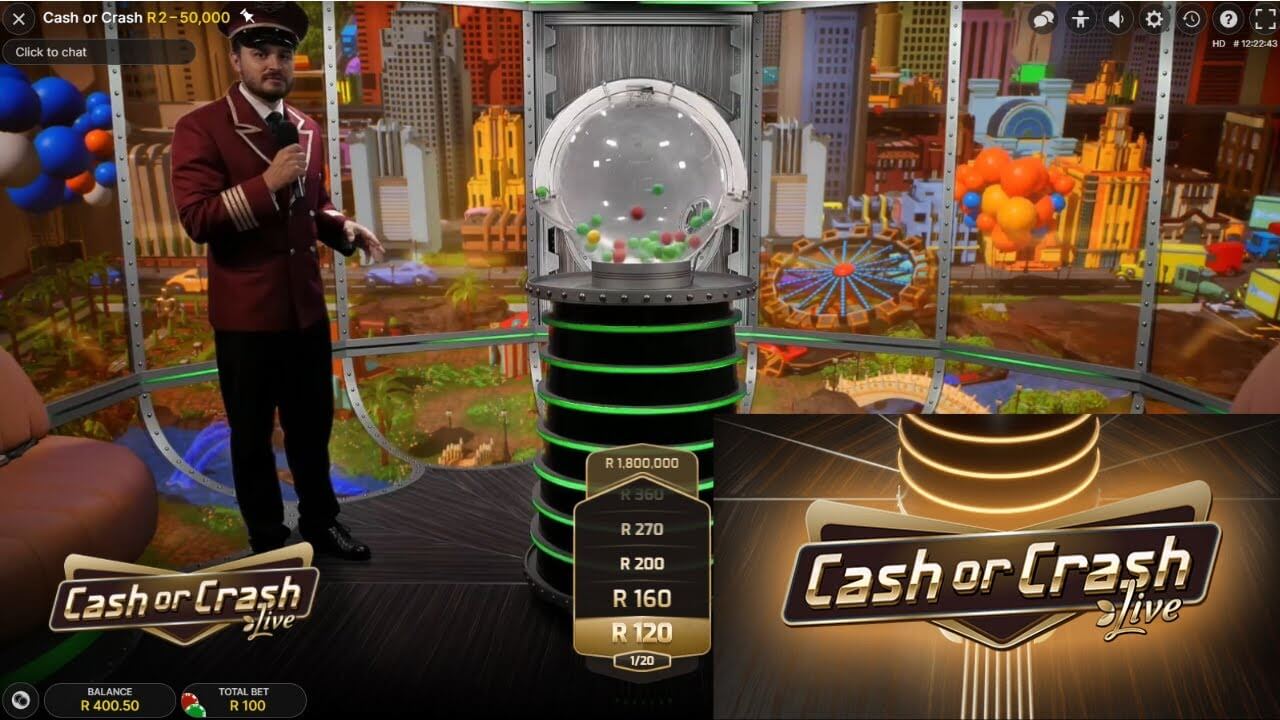
Time is the key in this game. Cash or Crash Live works on an algorithm in which the chance of the balloon popping increases bit by bit as time passes. The Time Played Indicator is your immediate view into this rising probability. At the start of a round, when the indicator is barely filled, the risk is minimal. The game is in a “safe” zone, but the expected payouts are also low. As the indicator rises, the multiplier increases too, presenting enticingly large rewards. This carries a steep cost: a rapidly increasing likelihood of a sudden crash that concludes the round and costs your stake if you failed to cashed out. This direct link produces the game’s unique drama. You are never just wagering on a random outcome. You are constantly managing a trade-off between risk and reward in real time, with the clock as your guide. It’s a nerve-wracking balance of greed and caution. The algorithm ensures fairness and unpredictability, but the indicator gives you a framework to understand the changing odds. It transforms you into an active participant in a mathematical dance with chance, where every tick forward steps into more lucrative and more dangerous territory.